
Imagine looking through a fogged-up window; everything appears cloudy, dull, and unclear. That is how cataracts affect your vision.
What begins as a minor blur can slowly progress into complete vision obstruction if left untreated. Unfortunately, many people ignore the early warning signs until their eyesight significantly deteriorates.
Understanding cataract causes and symptoms is the first step toward protecting your vision and ensuring timely treatment.
Let’s explore what cataract really is, its different types, and how you can identify and manage it before it affects your quality of life.
Table of Contents
What is a Cataract?
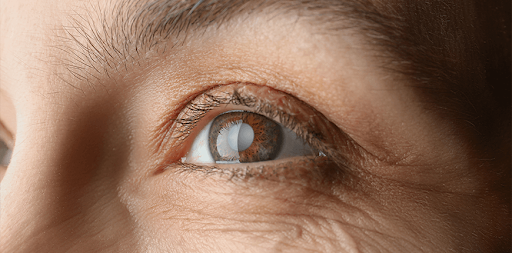
A cataract is a condition where the natural lens of the eye becomes cloudy, leading to blurred or dim vision. It usually develops with age but can also be caused by factors like diabetes, eye injuries, or excessive exposure to sunlight. Since the lens is responsible for focusing light onto the retina, its clouding interferes with sharp and clear vision.
Types of Cataract
Cataracts can form in different parts of the lens, each affecting your vision differently:
- Nuclear Cataract: Develops in the center of the lens, causing gradual yellowing and blurred distance vision.
- Cortical Cataract: Forms around the edges of the lens, appearing as white streaks that spread toward the center.
- Posterior Subcapsular Cataract: Occurs at the back of the lens and often leads to glare or difficulty seeing in bright light.
- Congenital Cataract: Present at birth or developed during childhood due to genetic or developmental issues.
Recognizing which type you have helps determine the right Cataract Treatment Options for your needs.
Common Cataract Causes
While aging is the most common cause, other factors can also trigger cataract development:
- Prolonged exposure to ultraviolet light
- Eye injuries or inflammation
- Smoking and excessive alcohol use
- Medical conditions like diabetes
- Use of certain medications, such as steroids
Being aware of these cataract causes and symptoms allows for early prevention through lifestyle changes and regular eye checkups.
Recognizing the Symptoms Early
Cataracts develop slowly and painlessly, making it easy to overlook the signs. However, early symptoms can include:
- Blurred or cloudy vision
- Sensitivity to light and glare
- Difficulty seeing at night
- Fading or yellowing of colors
- Double vision in one eye
If you notice any of these symptoms, consult an eye specialist immediately for a comprehensive evaluation.
Cataract Treatment Options at Prasad Netralaya
The best cataract treatment depends on its progression and the impact on your daily life. In the early stages, vision aids like stronger glasses or magnifying lenses may help. However, once cataracts begin to interfere with normal activities, surgery becomes the most effective option.
Modern cataract surgery involves removing the cloudy lens and replacing it with a clear, artificial one. Advanced techniques such as laser-assisted and robotic surgeries ensure precision, safety, and faster recovery.
Let’s have a quick look at the cataract treatment options at Prasad Netralaya:
1. Surgical Techniques (Cataract Removal Methods)
These describe how the cloudy lens is removed:
A. Phacoemulsification (Phaco):
- The most common modern cataract surgery.
- Uses ultrasound waves to break the cloudy lens into tiny fragments, which are then gently suctioned out.
- Requires a small incision and offers a quick recovery.
B. MICS (Micro Incision Cataract Surgery):
- A more advanced version of Phaco with an even smaller incision (about 1.8 mm).
- Leads to faster healing, minimal discomfort, and improved precision.
C. SICS (Small Incision Cataract Surgery):
- A manual technique with a slightly larger incision.
- Often used when Phaco or MICS is not suitable.
- Cost-effective and widely performed in developing regions.
2. Intraocular Lens (IOL) Options
These describe what type of artificial lens is implanted after cataract removal:
A. Monofocal IOL:
- Provides clear vision at one distance (usually far).
- Glasses may still be needed for near or intermediate tasks.
B. Multifocal IOL:
- Offers clear vision at multiple distances (near, intermediate, and far).
- Reduces dependence on glasses after surgery.
Related Blog: Multifocal IOL in Udupi: See Near and Far with One Advanced Lens.
C. Toric IOL:
- Specifically designed for patients with astigmatism.
- Corrects both cataract and refractive errors for sharper vision.
D. Trifocal IOL:
- The latest generation lens provides clear vision at near, intermediate, and distance ranges.
- Great for those wanting maximum freedom from glasses.
E. Advance EDOF (Extended Depth of Focus) IOL:
- Uses advanced optics to extend the range of clear vision.
- Offers smooth focus transitions and excellent night vision with minimal glare.
Also Read: Affordable Cataract Treatment in Puttur: Modern Techniques.
Why Choose Prasad Netralaya for Cataract Care?
At Prasad Netralaya, every patient receives personalized care backed by advanced diagnostic tools and world-class surgical expertise. As one of the most trusted eye hospitals in the region, it offers state-of-the-art facilities and experienced ophthalmologists who specialize in advanced cataract management.
From diagnosis to post-surgery care, Prasad Netralaya ensures you receive the safest, most effective, and comfortable experience possible.
For expert guidance and personalised consultation, you can reach out to Dr Prasanth MA, Director at Prasad Netralaya, at +91 98454 36365 or write to drprasanthma2001@yahoo.com.
Take the First Step Toward Clearer Vision
Don’t let cataracts cloud your world. Schedule your comprehensive eye evaluation with the experts at Prasad Netralaya, where compassionate care meets cutting-edge technology.
Call us or visit our website to book your consultation and rediscover the beauty of clear, bright vision today.
Frequently Asked Questions (FAQs)
1. What are the most common cataract causes and symptoms?
The most common cataract causes and symptoms include aging, UV exposure, diabetes, blurry vision, glare sensitivity, and difficulty seeing at night.
2. Can lifestyle choices increase the risk of cataracts?
Yes. Smoking, poor diet, excessive sun exposure, and lack of eye protection can speed up cataract development and worsen vision over time.
3. At what age do cataract symptoms usually appear?
Cataracts typically begin to form after age 40, with noticeable symptoms like cloudy vision and glare appearing between 50 and 60 years of age.
4. How can early detection help prevent severe cataracts?
Recognizing cataract causes and symptoms early allows for timely medical evaluation and treatment, helping preserve vision and delay progression.
5. When should I visit an eye specialist for cataract evaluation?
You should see an eye specialist if you notice persistent blurriness, poor night vision, or faded colors; these are key early signs of cataracts.

Dr. Vikram Jain, M.S. had his medical training (MBBS) from Kasturba Medical College, Mangalore, India. He did his master’s in Ophthalmic surgery from Kasturba Medical College, Manipal. He currently manages the Glaucoma department of Prasad Netralaya hospital.